


An Archipelago at the Edge of the Indian Ocean
Stretching nearly 500 miles from north to south, the Maldivian islands appear as emerald and ivory brushstrokes scattered across a vast blue canvas.
Life here follows the ocean’s cues. Even sounds soften in the wide, watery landscape.
The Maldives has long been a crossroads of the Indian Ocean, influenced by traders and seafarers from South Asia, the Middle East and East Africa. That history lives on in the islands’ craftsmanship and cuisine.
For Circle of Prestige winners, this destination was chosen for its beauty, exclusivity, and cultural respect for craft.

LOCATION
Located southwest of Sri Lanka and straddling the equator, the Maldives sits directly along ancient Indian Ocean trade routes. Its 26 natural atolls (ring-shaped coral reefs) form one of the most distinctive geographic chains in the world.

CUISINE
Over centuries, the neighboring Indian Ocean cultures of Sri Lanka, India and Arabia have introduced layers of spice and styles of curry, expanding the nation’s culinary palette of seafood, coconut and tropical produce. Defining dishes of the nation include garudhiya, a clear tuna broth served with rice and simple accompaniments, and kukulhu riha, a spiced chicken curry.

CULTURE
Maldivian culture is shaped by centuries of life at sea and an enduring respect for tradition. Master artisans still hand-build wooden boats called dhonies. Even without the resources of big industry, these ships impressively navigate atolls and open water. Today, they are constructed with imported timber and fiberglass. A strong sense of craftsmanship is also found in Maldivian lacquer work (“liyelaa jehun”), a practice of adding rich layers of lacquer to decorative vessels and hand-carving designs.

Location
Located southwest of Sri Lanka and straddling the equator, the Maldives sits directly along ancient Indian Ocean trade routes. Its 26 natural atolls (ring-shaped coral reefs) form one of the most distinctive geographic chains in the world.

CuISINE
Over centuries, the neighboring Indian Ocean cultures of Sri Lanka, India and Arabia have introduced layers of spice and styles of curry, expanding the nation’s culinary palette of seafood, coconut and tropical produce. Defining dishes of the nation include garudhiya, a clear tuna broth served with rice and simple accompaniments, and kukulhu riha, a spiced chicken curry.

CULTURE
Maldivian culture is shaped by centuries of life at sea and an enduring respect for tradition. Master artisans still hand-build wooden boats called dhonies. Even without the resources of big industry, these ships impressively navigate atolls and open water. Today, they are constructed with imported timber and fiberglass. A strong sense of craftsmanship is also found in Maldivian lacquer work (“liyelaa jehun”), a practice of adding rich layers of lacquer to decorative vessels and hand-carving designs.

Located southwest of Sri Lanka and straddling the equator, the Maldives sits directly along ancient Indian Ocean trade routes. Its 26 natural atolls (ring-shaped coral reefs) form one of the most distinctive geographic chains in the world.
LOCATION
Over centuries, the neighboring Indian Ocean cultures of Sri Lanka, India and Arabia have introduced layers of spice and styles of curry, expanding the nation’s culinary palette of seafood, coconut and tropical produce. Defining dishes of the nation include garudhiya, a clear tuna broth served with rice and simple accompaniments, and kukulhu riha, a spiced chicken curry.
CUISINE
Maldivian culture is shaped by centuries of life at sea and an enduring respect for tradition. Master artisans still hand-build wooden boats called dhonies. Even without the resources of big industry, these ships impressively navigate atolls and open water. Today, they are constructed with imported timber and fiberglass. A strong sense of craftsmanship is also found in Maldivian lacquer work (“liyelaa jehun”), a practice of adding rich layers of lacquer to decorative vessels and hand-carving designs.
CULTURE
Tips for Your Equatorial Escape
Language
Dhivehi is the official language of the Maldives and the native language of most Maldivians. English is also widely spoken by locals and used as the main language for instruction in schools.
Weather
Tropical climate year-round, with daytime temperatures typically ranging from the mid-80s to low 90s °F.

TRAVEL
Travel to the Maldives begins with a commercial flight into Malé, followed by a short transfer to your island destination. The seaplane experience offers rare views of the legendary Maldivian islands and lagoons.
Currency
The Maldivian Rufiyaa (MVR) is the national currency. U.S. Dollars are widely accepted in hospitality settings.
Currency
The Maldivian Rufiyaa (MVR) is the national currency. U.S. Dollars are widely accepted in hospitality settings.
Weather
Tropical climate year-round, with daytime temperatures typically ranging from the mid-80s to low 90s °F.
TRAVEL
Travel to the Maldives begins with a commercial flight into Malé, followed by a short seaplane transfer to your island destination. The seaplane experience offers rare views of the legendary Maldivian islands and lagoons.
Language
Dhivehi is the official language of the Maldives and the native language of most Maldivians. English is also widely spoken by locals and used as the main language for instruction in schools.
Tips for Your Equatorial Escape

Currency
The Maldivian Rufiyaa (MVR) is the national currency. U.S. Dollars are widely accepted in hospitality settings.

Tips for Your Equatorial Escape
Language
Dhivehi is the official language of the Maldives and the native language of most Maldivians. English is also widely spoken by locals and used as the main language for instruction in schools.
TRAVEL
Travel to the Maldives begins with a commercial flight into Malé, followed by a short seaplane transfer to your island destination. The seaplane experience offers rare views of the legendary Maldivian island lagoons.
Weather
Tropical climate year-round, with daytime temperatures typically ranging from the mid-80s to low 90s °F.
Currency
The Maldivian Rufiyaa (MVR) is the national currency. U.S. Dollars are widely accepted in hospitality settings.

The Curve That Changed Diving
Known for its crescent form, Banana Reef was among the first dive sites in the Maldives to gain international recognition. Its steep coral structures and dense marine life played a defining role in establishing the country’s early reputation as a premier destination for underwater exploration.

Faith by the Sea
Hukuru Miskiiy, the Old Friday Mosque in Malé, was built in the 17th century from coral stone harvested from nearby reefs. Its carved walls, lacquered woodwork and restrained ornamentation reveal a distinctly Maldivian expression of Islamic architecture shaped by available materials and maritime life.

Sand Born of the Reef
Maldivian beaches are formed from finely crushed coral rather than quartz, giving the sand its pale color. Unlike mineral‑based sands, coral sand reflects heat instead of absorbing it, allowing the beaches to remain cool underfoot even in direct sun. This subtle detail shapes the beach experience as much as the view itself.
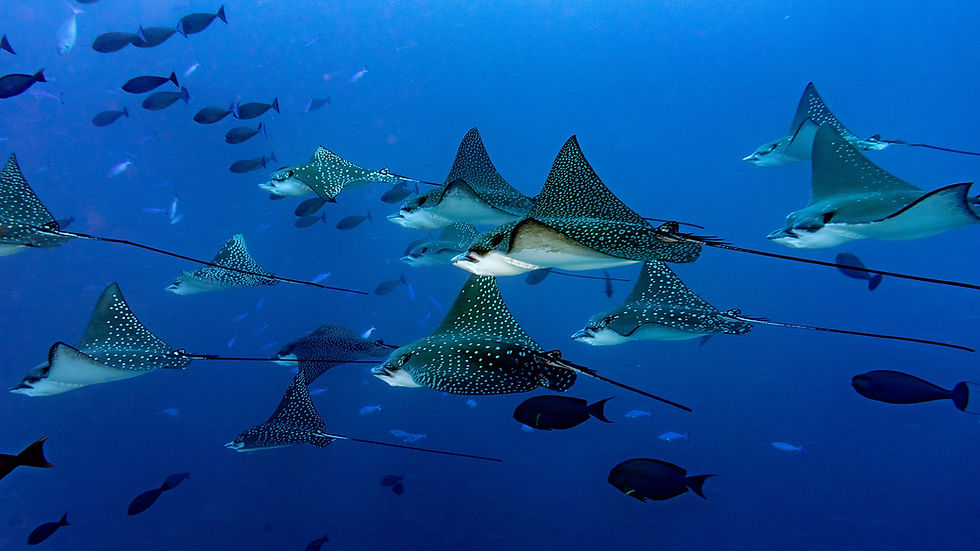
Where Giants Gather
Within the UNESCO‑designated Baa Atoll lies Hanifaru Bay, a rare marine basin where seasonal plankton blooms draw manta rays together in remarkable numbers. This natural phenomenon has made the bay one of the Maldives’ most important sites for ocean conservation and research, as well as a symbol of the country’s ecological richness.

Formed by Tides and Time
The Maldives stretches across the Indian Ocean as a chain of coral atolls barely rising above the horizon. With more than 99 percent of the country composed of ocean, its topography is defined not by elevation but by movement – tides, currents and reefs shaping the islands over millennia.

RESORT ANNOUNCEMENT COMING SOON!
Add a Title
Add paragraph text. Click “Edit Text” to update the font, size and more. To change and reuse text themes, go to Site Styles.
Add a Title
Add paragraph text. Click “Edit Text” to update the font, size and more. To change and reuse text themes, go to Site Styles.
Add a Title
Add paragraph text. Click “Edit Text” to update the font, size and more. To change and reuse text themes, go to Site Styles.
Add a Title
Add paragraph text. Click “Edit Text” to update the font, size and more. To change and reuse text themes, go to Site Styles.